
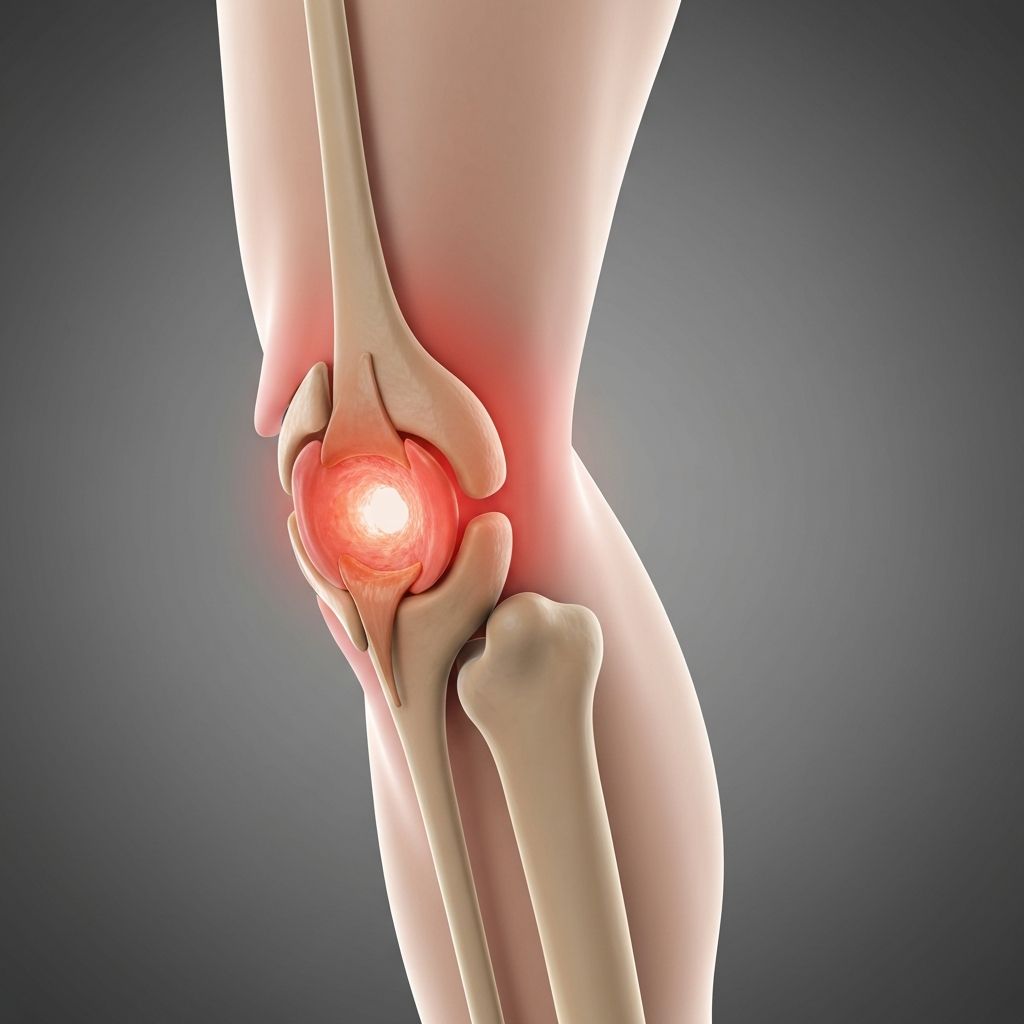
ACL Tear Recovery: Timeline and What to Expect
A comprehensive guide to recovering from an ACL tear, including surgical and non-surgical options.
Understanding ACL Injuries
The anterior cruciate ligament (ACL) is one of the major ligaments in the knee, providing stability during pivoting and cutting movements. ACL tears are common in sports that involve sudden stops, jumps, or direction changes.
How ACL Injuries Occur
- Sudden deceleration or stopping
- Pivoting with a planted foot
- Landing awkwardly from a jump
- Direct impact to the knee
Diagnosis
ACL tears are diagnosed through physical examination and confirmed with MRI imaging. The classic signs include a "popping" sensation at the time of injury, rapid swelling, and knee instability.
Treatment Options
Non-Surgical Treatment
Some patients, particularly those with partial tears or low activity levels, may opt for conservative treatment including:
- Physical therapy to strengthen surrounding muscles
- Bracing for stability
- Activity modification
Surgical Reconstruction
ACL reconstruction is often recommended for active individuals or those with complete tears. The surgery involves replacing the torn ligament with a graft, typically from the patient's own hamstring or patellar tendon.
Recovery Timeline
Phase 1: Weeks 1-2
- Focus on reducing swelling and pain
- Regaining full knee extension
- Protected weight-bearing with crutches
Phase 2: Weeks 2-6
- Progressive weight-bearing
- Range of motion exercises
- Basic strengthening exercises
Phase 3: Weeks 6-12
- Advanced strengthening
- Introduction of low-impact cardio
- Balance and proprioception training
Phase 4: Months 3-6
- Sport-specific training begins
- Agility and plyometric exercises
- Continued strengthening
Phase 5: Months 6-12
- Gradual return to sport (typically 9-12 months)
- Ongoing strength maintenance
Keys to Successful Recovery
- Commit to physical therapy
- Follow your surgeon's protocol
- Don't rush the process
- Maintain overall fitness
- Use proper technique when returning to sport
Long-Term Outlook
With proper treatment and rehabilitation, most patients return to their pre-injury activity level. However, there is an increased risk of developing osteoarthritis in the affected knee later in life.
Have Questions About This Topic?
Schedule a consultation with Dr. Mitchell to discuss your specific condition and treatment options.