
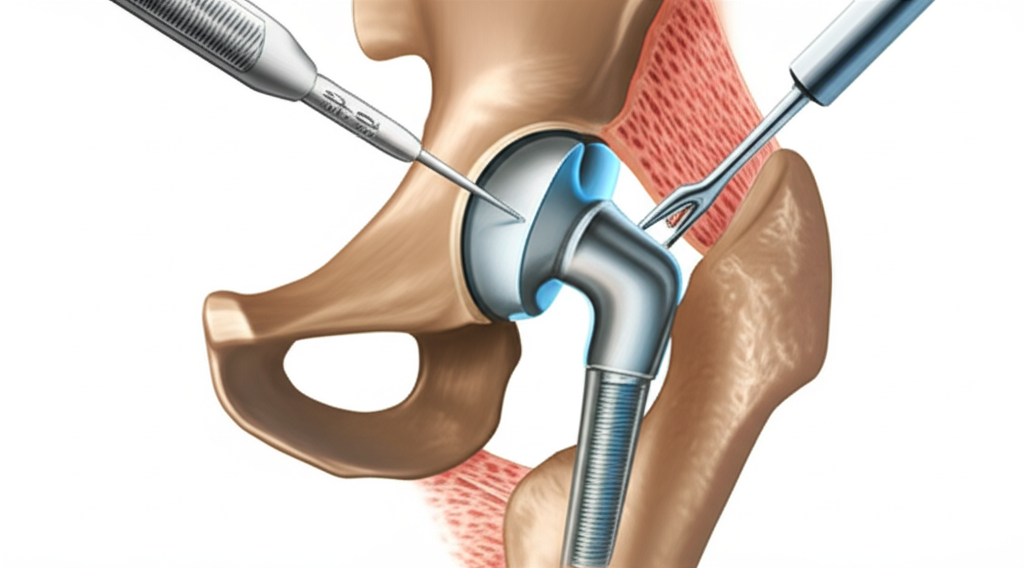
Hip Replacement Surgery: What to Expect Before, During, and After
A detailed overview of hip replacement surgery, including preparation, procedure, and recovery timeline.
When is Hip Replacement Necessary?
Hip replacement surgery is considered when hip pain and dysfunction significantly impact quality of life and conservative treatments have been exhausted. Common conditions leading to hip replacement include severe osteoarthritis, rheumatoid arthritis, and hip fractures.
Types of Hip Replacement
Total Hip Replacement
Both the ball and socket of the hip joint are replaced with prosthetic components.
Partial Hip Replacement
Only the ball portion (femoral head) is replaced, typically after certain types of hip fractures.
Preparing for Surgery
Proper preparation can improve outcomes:
- Complete medical evaluation and clearance
- Optimize health conditions (diabetes, blood pressure)
- Stop smoking several weeks before surgery
- Prepare your home for recovery
- Arrange for post-surgery assistance
The Procedure
Modern hip replacement surgery typically takes 1-2 hours and is performed under general or spinal anesthesia. Minimally invasive techniques result in smaller incisions and faster recovery.
Hospital Stay
Most patients stay in the hospital for 1-3 days after surgery. Physical therapy begins on the first day post-operation.
Recovery Timeline
First 6 Weeks
- Use of walking aids (walker, crutches, cane)
- Focus on basic mobility and daily activities
- Physical therapy 2-3 times per week
6 Weeks to 3 Months
- Gradual return to normal activities
- Continued physical therapy
- Most patients can drive and return to sedentary work
3-6 Months
- Full recovery for most patients
- Return to low-impact sports and activities
Long-Term Outlook
Modern hip replacements can last 15-20 years or more with proper care. Regular follow-up appointments and maintaining a healthy weight are important for longevity.
Have Questions About This Topic?
Schedule a consultation with Dr. Mitchell to discuss your specific condition and treatment options.