Preventing Common Sports Injuries: Expert Tips for Athletes
Essential strategies to prevent sports-related orthopaedic injuries and maintain peak performance.
The Importance of Injury Prevention
Sports injuries can sideline athletes for weeks or months and may lead to long-term complications. Understanding and implementing proper prevention strategies is essential for anyone engaged in physical activities.
Most Common Sports Injuries
- Sprains and Strains: Overstretched or torn ligaments and muscles
- Knee Injuries: ACL tears, meniscus damage, runner's knee
- Shoulder Injuries: Rotator cuff tears, dislocations
- Tennis Elbow: Overuse injury of the forearm muscles
- Stress Fractures: Small cracks in bones from repetitive force
Prevention Strategies
1. Proper Warm-Up and Cool-Down
Always spend 5-10 minutes warming up before activity and cooling down afterwards. This prepares muscles and joints for exercise and aids recovery.
2. Strength Training
Building muscle strength around joints provides better support and stability, reducing injury risk.
3. Flexibility and Stretching
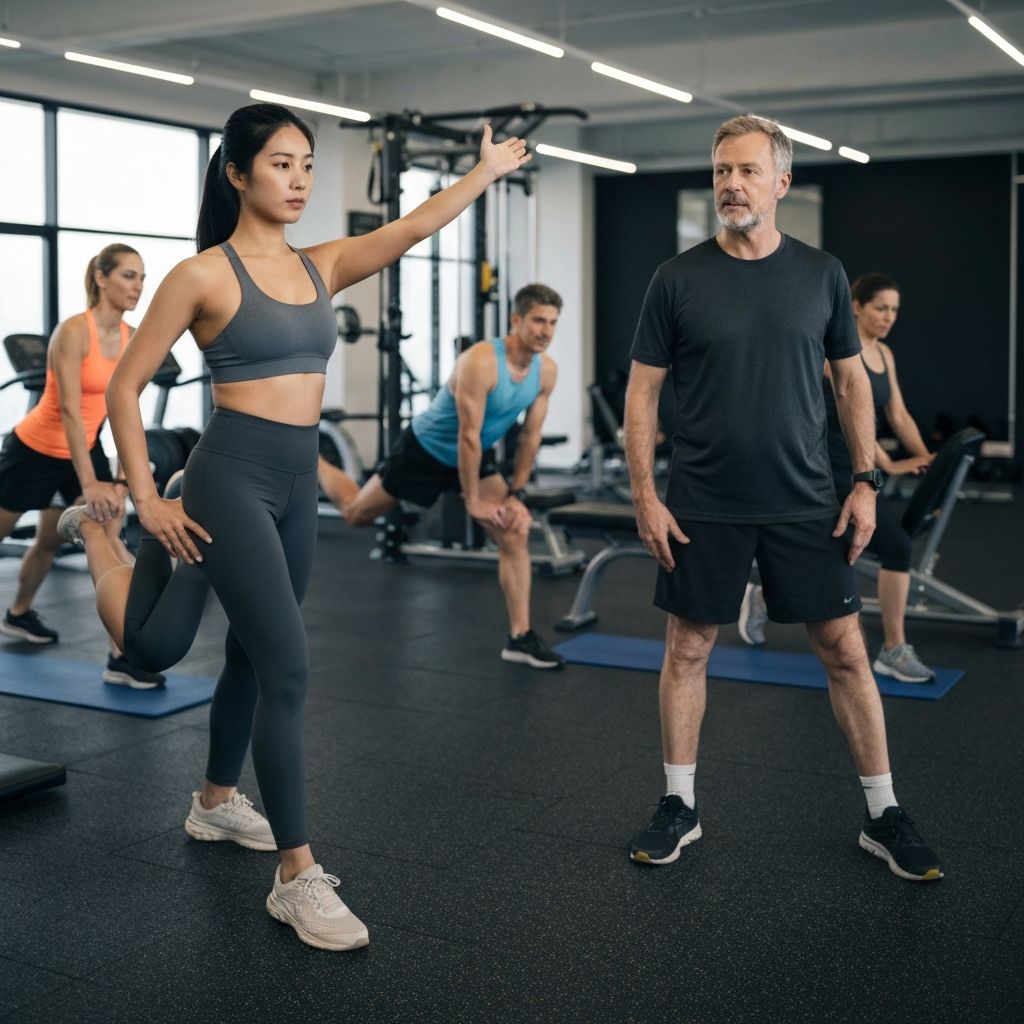
Regular stretching improves range of motion and reduces muscle tightness that can lead to injury.
4. Use Proper Technique
Incorrect form is a leading cause of sports injuries. Consider working with a coach or trainer to ensure proper technique.
5. Appropriate Equipment
Wear sport-specific protective gear and replace worn equipment, especially athletic shoes.
6. Progressive Training
Avoid the "too much, too soon" trap. Gradually increase intensity and duration of training.
7. Rest and Recovery
Allow adequate recovery time between workouts. Overtraining increases injury risk significantly.
8. Cross-Training
Vary your activities to avoid overuse of specific muscle groups and joints.
Recognizing Warning Signs
Pay attention to your body. Persistent pain, swelling, or reduced range of motion are signals to rest and seek medical evaluation if symptoms don't improve.
When to See a Specialist
Seek immediate medical attention for:
- Severe pain or swelling
- Inability to bear weight
- Joint instability
- Visible deformity
- Numbness or tingling
Have Questions About This Topic?
Schedule a consultation with Dr. Mitchell to discuss your specific condition and treatment options.